

close
Choose Your Site
Global
Social Media
Views: 0 Author: Site Editor Publish Time: 2026-01-19 Origin: Site
Choosing between a conventional oven and a convection oven can be confusing, especially when considering the difference between an oven and its cooking methods. The biggest difference is how each one cooks food. A convection oven has a fan that moves hot air around, which helps food cook more evenly and sometimes faster. Imagine baking cookies and seeing some batches turn out crispier or more evenly browned. This happens because convection ovens spread heat better and assist with browning. Home cooks choose ovens for these reasons:
You do not need to turn dishes as much
People know how to use regular ovens
Most recipes are made for conventional ovens
Knowing these differences helps cooks pick the best oven for their kitchen and recipes.
Convection ovens cook food quicker and more evenly because a fan moves hot air around.
Turn the temperature down by 25°F when you use a convection oven so your food does not get too done.
Conventional ovens are good for baking soft pastries and cakes that need steady heat.
Cleaning both types of ovens often helps them work better and last longer.
Pick a convection oven if you want to roast or bake many trays at the same time for even cooking.
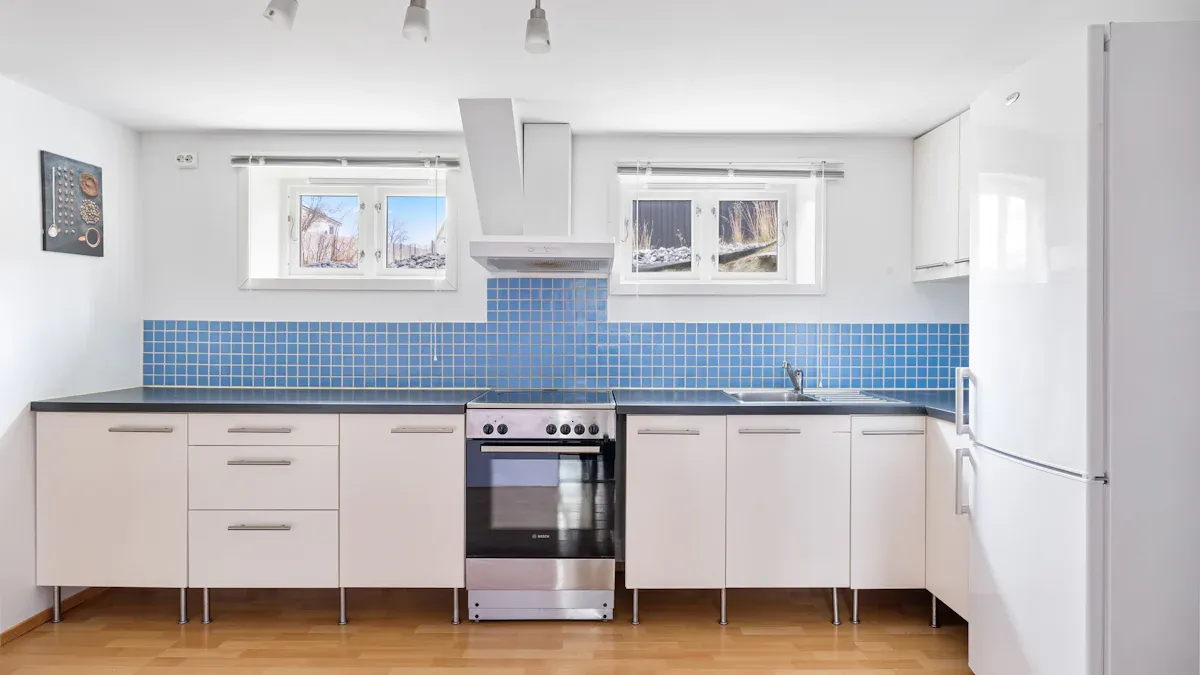
Image Source: unsplash
A conventional oven is also called a standard oven. It cooks food using radiant heat. The oven has heating elements at the top and bottom. These parts warm up the air inside the oven. Heat rises, so the top gets the hottest. This is good for browning foods. The bottom rack gets direct heat. This helps make baked goods crispy. But the temperature is not the same everywhere. Some spots are hotter or cooler. Cooks often move pans or change racks to cook food evenly.
Conventional ovens use radiant heat to cook food.
The heating elements are at the top and bottom of the oven.
Heat rises, so the top is hottest and good for browning.
The bottom rack gets direct heat, which crisps crusts.
Hot and cool spots mean cooks must move pans and racks.
A standard oven has some basic features. Most ovens have racks you can move. There is a dial to set the temperature. An inside light helps you see your food. The oven can cook at many temperatures. Here is a table with common oven settings:
| Description | °F | °C |
|---|---|---|
| Cool oven | 200 °F | 90 °C |
| Very slow oven | 250 °F | 120 °C |
| Slow oven | 300–325 °F | 150–160 °C |
| Moderate oven | 350–375 °F | 180–190 °C |
| Hot oven | 400–450 °F | 200–230 °C |
| Very hot oven | 450–500 °F | 230–260 °C |
Some ovens have a broil setting. This uses only the top heating element. It is good for browning or melting cheese.
A conventional oven gives good results for many foods. Food bakes or roasts with a golden top. The top rack browns casseroles and baked treats. The bottom rack makes pizza crusts and bread crispy. Uneven heat can make some spots cook faster. Cooks check and turn pans to stop burning or undercooking. Many people like these ovens for cakes, cookies, and bread. The simple design and steady results make it a favorite in kitchens.
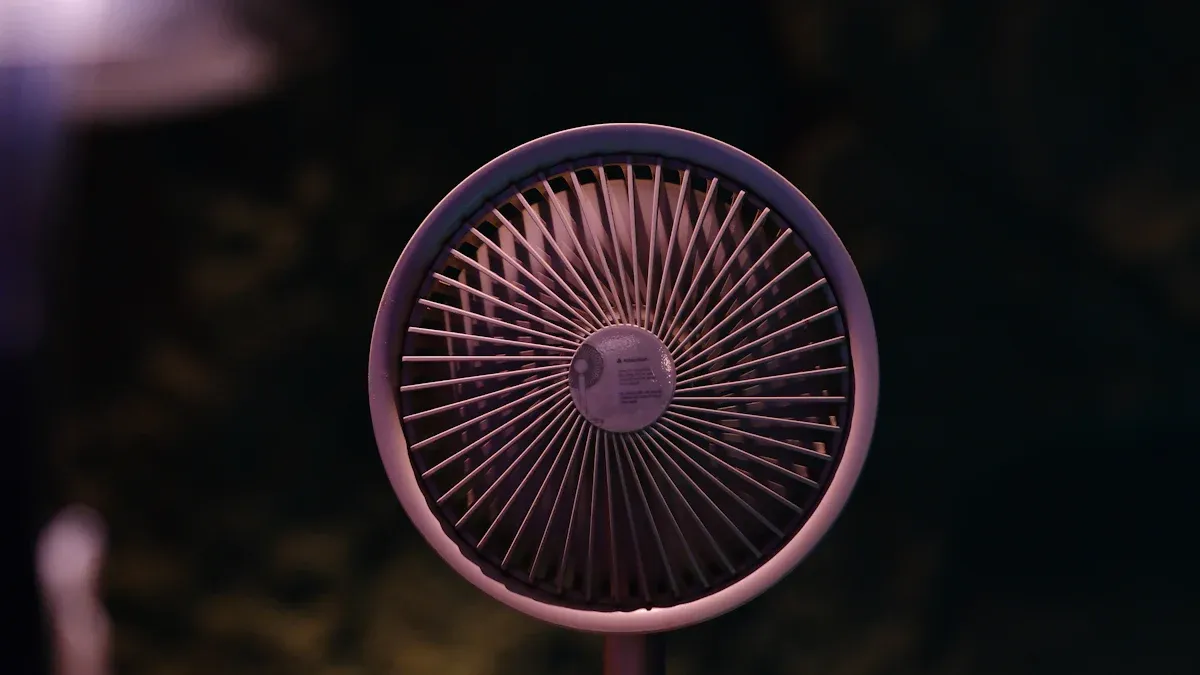
Image Source: unsplash
A convection oven cooks food fast and evenly. It has a fan inside that blows hot air around the food. The moving air helps heat touch every part of the dish. Some convection ovens have another heating part near the fan. This part warms the air before the fan moves it. Food cooks quicker and browns better. People use convection ovens for roasting meat, baking cookies, or cooking many trays at once.
Convection ovens can get hotter than regular ovens, even if you set them to the same temperature. The extra heat cooks food faster. This makes convection ovens great for roasting meat and vegetables, reheating leftovers, and cooking covered dishes.
The fan and extra heating part change how a convection oven works. Here are some important things:
The fan blows hot air so heat spreads everywhere.
The extra heating part warms the air before it moves.
Food cooks up to 25% faster than in a regular oven.
The oven heats up again quickly if you open the door.
You can cook on more than one rack because air moves all around.
The table below shows how convection ovens and regular ovens are different:
| Feature | Convection Oven | Conventional Oven |
|---|---|---|
| Heating Elements | Has heating elements plus a fan for air circulation | Has heating elements on top and bottom only |
| Air Circulation | Uses a fan to circulate hot air for even cooking | No fan; relies on natural heat distribution |
| Cooking Efficiency | Cooks food more evenly, especially on multiple racks | Requires careful rack placement and may need rotation |
A convection oven gives cooks lots of good things. Food browns evenly and cooks faster. The moving air stops hot and cold spots from happening. Cookies on every tray bake the same way. Roasts are juicy inside and crispy outside. Dishes finish sooner so people save time.
Convection ovens have a fan that spreads air evenly inside. This stops hot and cold spots. Food cooks up to 25% faster than in a regular oven.
A convection oven helps home cooks get great results with less work. Many people pick this oven because it is quick, cooks evenly, and can handle big meals.
Ovens and convection ovens cook food in different ways. A conventional oven has heating parts at the top and bottom. Heat comes up from the bottom and warms the air. This can make some spots hotter than others. Cooks move pans to help food bake evenly.
A convection oven has a fan and an exhaust system. The fan blows hot air all around the food. This helps heat reach every part of the dish. The moving air cooks food faster and can make crusts flakier and edges crispier.
Conventional ovens heat from the bottom up.
Convection ovens use a fan to move hot air.
You can lower the temperature by about 25°F in convection ovens.
Food cooks faster in convection ovens.
Heat spreads differently in each oven type. In a conventional oven, heat comes from the bottom and sometimes the top. This can make cooking uneven. Some spots get hotter than others. Cookies may brown more on one side of the tray.
A convection oven spreads heat evenly inside. The fan and exhaust move hot air everywhere. This helps food cook evenly and brown better. Baked goods often look and taste better.
Convection ovens move hot air for even cooking.
Conventional ovens can have uneven heat, so some spots cook faster.
Air movement in convection ovens helps food brown and crisp.
Convection ovens cook food faster and save energy. Food cooks up to 25% quicker. The moving air helps heat reach food fast. Cooks can use lower temperatures or shorter times. This saves time and can make food better.
Convection ovens use less energy than regular ovens. They need up to 20% less energy. Faster cooking means less energy is used. The table below shows cooking time and energy use:
| Feature | Convection Oven | Conventional Oven |
|---|---|---|
| Cooking Time | Up to 25% faster | Slower with less even heating |
| Energy Efficiency | Uses up to 20% less energy | Uses more energy and time |
You can cook on more racks in a convection oven. The fan moves air to all racks. Cooks can bake many trays at once and get even results.
Ovens and convection ovens need different care. Conventional ovens have fewer parts. Cleaning means wiping racks and inside walls. Convection ovens have a fan and sometimes an extra heating part. These need extra cleaning. Dust or grease can build up on the fan and slow air movement.
Conventional ovens are easy to clean.
Convection ovens need the fan and exhaust cleaned.
Cleaning often keeps air moving well and food cooking evenly.
Tip: Clean the fan in a convection oven often. This helps air move well and food cook evenly.
The difference between an oven and a convection oven affects how you cook, how heat spreads, speed, energy use, and cleaning. Knowing these things helps cooks pick the right oven for their needs.
A conventional oven remains a popular choice in many kitchens. People often choose this type because it feels familiar and works well for most recipes. Here are some advantages and disadvantages:
Pros:
Most recipes use this oven type, so instructions are easy to follow.
The simple design makes it easy to use and repair.
It costs less than many advanced ovens.
Many people like the way it bakes cakes and bread.
Cons:
Heat does not spread evenly, so food may cook unevenly.
Users often need to rotate pans or switch racks.
Cooking takes longer compared to other ovens.
Using multiple racks can lead to uneven results.
Tip: Rotating pans during baking helps food cook more evenly in a conventional oven.
A convection oven uses a fan to move hot air around the food. This design changes how food cooks and can improve results for many dishes. The following table shows the main pros and cons:
| Pros | Cons |
|---|---|
| Cooks food faster | Can dry out some baked goods |
| Browns and crisps food evenly | Costs more than a standard oven |
| Saves energy by cooking quickly | Some recipes need temperature changes |
| Works well with multiple racks | Fan and parts need extra cleaning |
A convection oven helps cooks save time and energy. It works best for roasting meats, baking cookies, and cooking several trays at once. Some delicate foods, like cakes, may need special care.
Many home cooks pick a conventional oven for recipes that need gentle heat. This oven is good for baking soft pastries, cakes, and soufflés. These foods rise better when the heat stays steady and does not move fast. Most classic baking recipes work well with this oven. The simple design makes it easy for beginners.
Tip: Cakes and soufflés bake best in a conventional oven. They need slow, even heat to rise and set right.
A convection oven is great for cooking food fast and evenly. The fan inside moves hot air around the food. This helps food cook quickly and brown well. Roasting meats and vegetables is easier because the moving air makes them crisp outside and juicy inside. Bakers use this oven for cookies, pies, and pizza. It also works for toasting and drying foods. People who want to cook many trays at once like this oven.
The table below shows what each oven type is best for:
| Oven Type | Recommended Uses |
|---|---|
| Conventional Oven | Baking soft pastries, cakes, soufflés |
| Convection Oven | Roasting meats and vegetables, baking cookies and pies, toasting or drying foods |
Some foods bake better in one oven than the other. Experts suggest these foods:
Pies
Biscuits
Cookies
Bread
These foods need a crisp, brown surface. Both ovens can bake them well. The convection oven makes them crispier and browns them more evenly. Fast-cooking foods like pizza and puff pastry also do well in a convection oven.
Note: For best results, use a conventional oven for soft baked goods. Use a convection oven for foods that need browning and crispiness.
When you use a convection oven, you need to change recipes a little. Most cooks lower the temperature by about 25°F. This helps food not get too dry or overcooked. Food also bakes faster in a convection oven. You should check your food early to make sure it does not burn. Some foods, like cakes or soufflés, may not rise well in a convection oven. Bakers often use the regular oven setting for these foods. Light-colored pans can stop food from getting too brown.
Tip: Check your food a few minutes before the recipe says when using convection. This helps you avoid burning or overcooking.
Cleaning your oven helps it work well and last longer. Both types of ovens need regular cleaning. Wipe the inside after each use to stop buildup. Use gentle cleaners to protect the oven’s surface. Do not use strong chemicals or rough sponges because they can hurt the finish. Good airflow in the kitchen helps keep smoke and smells away when cooking with high heat. Each oven may need special cleaning steps. The user manual tells you the best way to clean and care for your oven.
Wipe the inside of the oven after every use.
Use cleaners that are safe and not rough.
Make sure your kitchen has good airflow.
Follow the instructions from the manufacturer for cleaning.
Convection ovens help save energy when you cook. The fan moves hot air so food cooks faster and more evenly. Many convection ovens finish cooking up to 25% quicker than regular ovens. This means you use less energy. Convection ovens also heat up faster and use about 20% less energy than regular ovens. You can cook many trays at once in a convection oven, which saves even more energy.
Note: Using convection for fast, even cooking can lower your energy bills and help the environment.
Picking a conventional oven or a convection oven depends on how you cook and what your kitchen needs. The table below shows some important things to think about:
| Feature | Convection Oven Benefits |
|---|---|
| Cooking Efficiency | Food cooks faster and uses less energy |
| Heat Distribution | You do not have to turn pans |
| Multi-Rack Cooking | Food cooks the same on every rack |
Convection ovens use less energy and cook food fast. Conventional ovens give results people know well. Home cooks should think about what matters most to them. Trying both ovens can help families find what works best for their meals.
Roasted meats, vegetables, cookies, and pies work great in a convection oven. The fan makes food brown and crisp. Bakers like convection ovens for baking many trays at once.
Yes, you can use aluminum foil in a convection oven. Do not cover the fan or vents with foil. Air needs to move for food to cook evenly.
Most recipes need a lower temperature in convection ovens. Cooks lower the temperature by 25°F. They check food early because it cooks faster.
A convection oven uses less energy than a regular oven. The fan moves heat so food cooks quickly. This saves time and electricity.
Clean the fan every few months to keep air moving. Grease and dust can slow the fan down. Cleaning often helps food cook evenly.


