

close
Choose Your Site
Global
Social Media
You may see that an electric convection oven helps with baking and roasting. This kitchen appliance uses electricity to make heat, so you do not need a gas line. Fans inside the oven blow hot air around your food. This helps all your food cook the same way. Many people at home pick this oven because it saves time and works well every time.
Electric convection ovens have fans that move hot air around. This helps food cook evenly and fast.
These ovens use less energy and save time. They can cook food up to 25% faster than normal ovens.
You can bake, roast, and broil with good results in an electric convection oven.
Convection ovens are useful for many foods. You can make crispy fries or juicy roasts.
Cleaning and taking care of your oven often helps it work well and last longer.
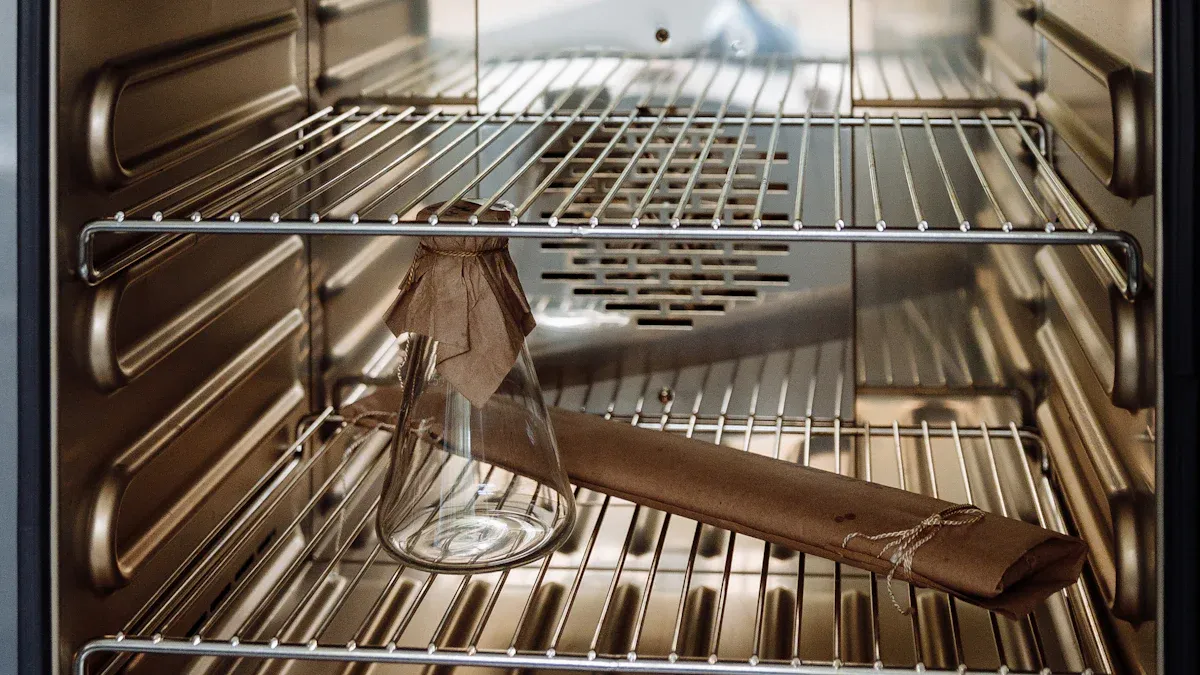
Image Source: pexels
You might ask how an electric convection oven is different. This oven uses electricity to make heat. You do not need gas or other fuel. The main part is a fan inside the oven. The fan blows hot air around your food. This helps your food cook the same way all over, like when you bake cookies or roast chicken.
Most electric convection ovens have many helpful features. Here is a simple table to show what you get:
| Feature | Description |
|---|---|
| User-friendly operation | Easy buttons and settings help you cook without trouble. |
| Energy efficiency | Cooks food faster and uses less energy than old ovens. |
| Advanced technology | Some ovens have touchscreens, voice help, or Wi-Fi for more comfort. |
| Multiple cooking functions | You can roast, broil, or bake, so you do not need many appliances. |
| Eco-friendly options | These ovens use less power and are better for the planet. |
Tip: To save time and energy, pick ovens with smart controls and eco settings.
You can use an electric convection oven for many foods. It is good for baking, roasting, broiling, and making frozen foods crispy. The fan and heat work together to give you the same results every time.
Maybe you have used a regular oven before. You might see that some parts cook faster than others. Regular ovens use heat from the top or bottom. The heat does not move much. This can make some food cook unevenly, especially with many trays.
Here is a table to compare both ovens:
| Performance Metric | Conventional Oven | Convection Oven |
|---|---|---|
| Cooking Speed | Slower; uses still heat. | Up to 25% faster with moving air. |
| Temperature | Has hot and cold spots. | Keeps the same temperature everywhere. |
| Evenness | You must turn pans for even cooking. | Cooks evenly on all racks; no turning needed. |
| Capacity | Hard to use many racks at once. | Great for cooking on many racks at the same time. |
| Browning | Good, but can be slow or patchy. | Makes food brown and crisp better. |
| Energy Use | Uses more energy and takes longer. | Saves energy; cooks faster at lower heat. |
When you use an electric convection oven, food cooks faster and browns better. The fan keeps the heat even, so you do not turn pans. You can bake many trays of cookies, and they all cook the same. The oven also uses less energy because it cooks fast and at lower heat.
Note: Convection ovens make a hot space that cooks food quickly and evenly. You will see crispier bread and juicier meat.
If you want a better kitchen, an electric convection oven gives you more control and better food than a regular oven. You will wait less for your food and have more time to enjoy eating.
When you use an electric convection oven, you get more than just heat. You get moving air that wraps around your food. This moving air comes from a fan inside the oven. The fan blows hot air in every direction. You do not have to worry about cold spots or uneven cooking.
Here is what happens when you cook with convection:
The oven heats up with electric elements.
The fan starts spinning and pushes hot air all around your food.
The moving air takes away the cool air that usually sits close to your food.
Heat reaches every part of your dish at the same time.
This process helps your food cook faster and more evenly. You can bake cookies on every rack, and they all come out golden. You can roast chicken, and every piece gets crispy skin. The science behind this is simple. In regular ovens, heat rises and can leave some spots cooler. With convection, the fan keeps the temperature steady everywhere. You get better results in less time.
Tip: You can often set the temperature lower and still get perfect results. This saves energy and keeps your kitchen cooler.
The fan and heating elements work together as a team. The heating elements make the oven hot. The fan moves that heat around. Here is how they help you:
The heating elements warm up the air inside the oven.
The fan blows this hot air so it touches every side of your food.
You get fewer hot or cold spots, so your food cooks the same way all over.
The fan also helps your food get crispy and brown on the outside.
You will notice that your electric convection oven gives you more control. You can trust the temperature you set. The oven keeps it steady, so your food turns out just right every time. This is great for baking, roasting, or even reheating leftovers. You save time, use less energy, and enjoy better meals.
You want your food to cook evenly and quickly. An electric convection oven helps you do just that. The fan inside moves hot air all around your food. This means every part of your dish gets the same amount of heat. You do not have to worry about cold spots or burnt edges.
You will notice that your meals finish faster. The moving air cooks food up to 25% quicker than a regular oven. You can bake cookies, roast chicken, or make pizza in less time. The heat wraps around your food, so you get crispy crusts and juicy centers.
Here is a quick look at how convection ovens compare to conventional ovens:
| Feature | Convection Ovens | Conventional Ovens |
|---|---|---|
| Cooking Time | Up to 25% faster | Slower with less even heating |
| Heat Distribution | Fan circulates air for consistent results | Hot spots can occur; pan placement matters |
| Energy Efficiency | Uses less energy due to shorter cooking times | Uses more energy and time |
Tip: You can lower the temperature by about 25°F when using convection. Your food will still cook through and brown nicely.
You probably want to save money on your energy bills. An electric convection oven can help you do that. These ovens use less energy because they cook food faster and at lower temperatures. The fan helps the heat reach your food quickly, so the oven does not have to stay on as long.
Here are some ways you save energy and money:
You can use about 20% less energy each month compared to a traditional oven.
The fan and even heat let you cook at lower temperatures, which means less power used.
If you choose an Energy Star certified oven, you can save up to 18% more energy than the national average.
You will see the difference in your bills over time. The oven works smarter, not harder, so you get great results and keep more money in your pocket.
You can use an electric convection oven for many types of dishes. This oven is not just for baking. It helps you roast, toast, dehydrate, and reheat food with great results.
Here are some foods and tasks where this oven shines:
Roasting meats and vegetables for crispy outsides and juicy insides
Baking cookies and breads that come out golden and even
Toasting nuts to bring out their flavor
Dehydrating fruits and vegetables for healthy snacks
Reheating leftovers while keeping them moist and crisp
You get more options in your kitchen. You can try new recipes and cook more food at once. The oven gives you control, so you can make everything from crunchy fries to soft cakes.
Note: If you love crispy textures and even cooking, you will enjoy using a convection oven for your favorite meals.
When you start using an electric convection oven, you might notice things feel different. You need to learn how to use the fan and adjust your recipes. Some common mistakes can happen, especially if you rush or crowd the oven. Here are a few things you might face:
You might block airflow by putting too much food inside.
High-sided pans can stop hot air from moving around your dish.
Food can cook too fast on the outside if you use the same temperature as a regular oven.
You can make things easier by matching the right dish to your oven and planning your baking schedule. Try not to open the oven door too often. Use pans with low sides so air can move freely. Lower the temperature by about 25 degrees and check your food early. If you bake delicate items, use a low fan speed. A simple cleaning routine helps your oven last longer.
Tip: Practice with small batches first. You will get better results and learn how your oven works.
You may notice that electric convection ovens cost more than regular ovens. The price depends on size, features, and brand. Here is a quick look at the price ranges:
| Oven Type | Price Range |
|---|---|
| Budget Options | 600to900 |
| Mid-range Options | 900to1,300 |
| High-end Options | 1,300to3,000 |
| Commercial Convection | 800to3,000 |
| Larger Commercial Units | 5,000to10,000 or more |
Several things make these ovens more expensive:
| Factor | Explanation |
|---|---|
| Size and Capacity | Bigger ovens cost more. |
| Material Quality | Stainless steel and strong parts last longer but raise the price. |
| Technology and Features | Touchscreens and smart controls add to the cost. |
| Energy Efficiency | You pay more upfront but save money on bills later. |
| Brand Reputation | Well-known brands charge more for quality and support. |
| Customization Options | Special features or sizes can increase the price. |
You might worry about food drying out in a convection oven. The fan moves air, but the oven uses lower heat, which helps keep food moist. Standard ovens can make food brittle and less tasty. Convection ovens do a better job at keeping moisture in. If you want to dry food, you will need more time than with a dehydrator. For most meals, you get juicy and tender results.
Note: If you follow the right steps, your food will stay moist and delicious. Convection ovens help you avoid dry, overcooked dishes.
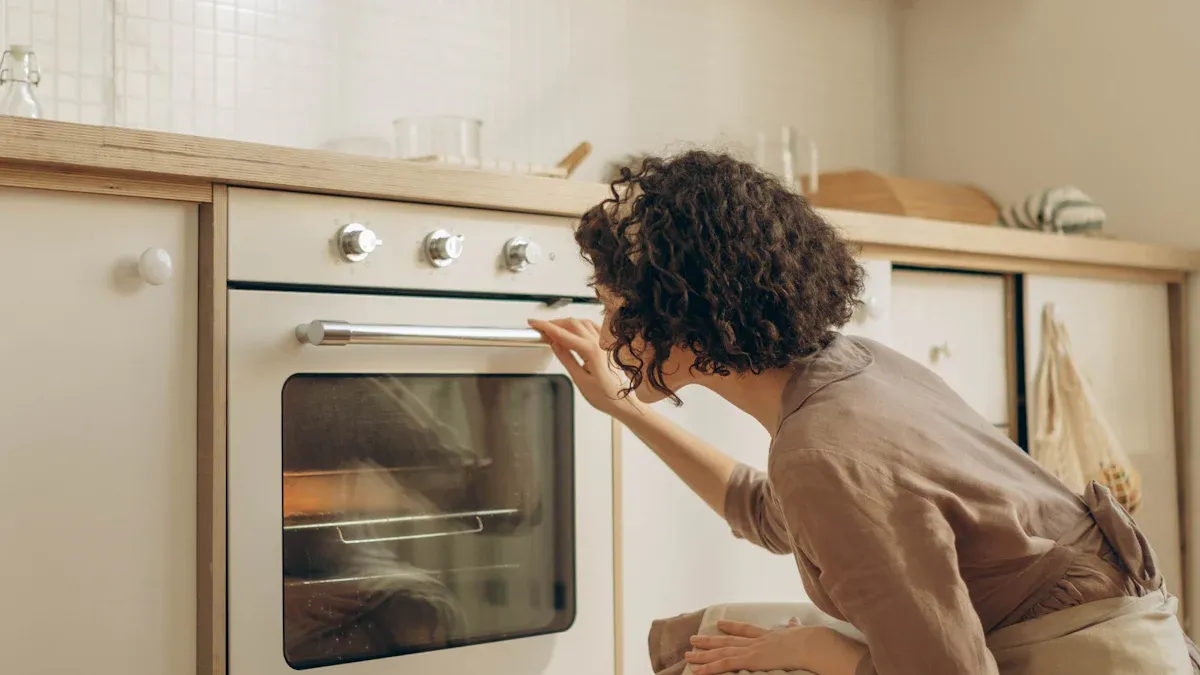
Image Source: pexels
When you use an electric convection oven, you need to adjust your recipes for the best results. Most foods cook faster and more evenly. You can follow these simple guidelines:
| Adjustment Type | Recommendation |
|---|---|
| Reduce cooking temperature | by 25 degrees F (about 15 degrees C) |
| Reduce cooking time | by 25 percent |
| Reduce both temperature and time | by less than 25 percent |
You should check your dishes about 20% sooner than the recipe says. Lower the temperature by 25°F. This helps your food stay moist and prevents burning. You can cook on more than one rack at a time, and your cookies or chicken will brown evenly.
Tip: Always check your food a little early. Every oven is different, so you will learn what works best in your kitchen.
You can try many recipes in your electric convection oven. Some favorites include:
Chocolate Crinkles Cookies for a chewy treat
Roasted Potatoes with crispy edges and soft centers
Roasted Chicken that stays juicy and gets golden skin
These dishes turn out great because the hot air moves around your food. You get even browning and perfect texture every time.
Keep your oven clean for the best results. Wipe the inside with a warm, soapy cloth after each use. Clean the door and seals to keep heat inside. Set aside time each week for a deeper clean. Avoid harsh cleaners or scouring pads. Natural options like vinegar or lemon juice work well and protect your oven.
| Frequency | Task Description |
|---|---|
| Daily | Wipe surfaces, remove crumbs, and check the door seal. |
| Weekly | Clean the fan and check for blockages. |
| Monthly | Inspect parts and follow your oven’s manual for any special care. |
Note: Regular cleaning helps your electric convection oven last longer and cook better.
When you shop for a new oven, look for these features:
Dual ovens if you want to cook at different temperatures
Sabbath mode to keep food warm for a long time
Glass doors so you can watch your food without opening the oven
Timer and delayed start for busy days
Check the warranty and customer support. Brands like Whirlpool offer extended service plans, while others like Zulay have direct support but shorter warranties.
Tip: Choose an oven that fits your cooking style and kitchen space. The right features make cooking easier and more fun.
You get a lot from an electric convection oven. Take a look at how they stack up:
| Advantages | Drawbacks |
|---|---|
| Cooks faster at lower temperatures | Costs more than regular ovens |
| Browns food while keeping it moist | Needs recipe tweaks and careful food placement |
| Even results on many racks | Not great for moist cakes or soufflés |
| Preheats quickly |
Think about your cooking style and kitchen space. If you love baking or roasting and want even, quick results, this oven fits well. You save energy and time. For many home cooks, an electric convection oven is a smart upgrade.
You should wipe the inside with a damp cloth after each use. For tough spots, use baking soda and water. Avoid harsh chemicals. Check your oven’s manual for special cleaning tips.
Yes, you can use metal pans. Metal helps heat move quickly. For best results, pick pans with low sides. This lets the hot air reach your food better.
The fan moves hot air around your food. This makes heat reach every part at once. You get faster and more even cooking. You also use less energy.
Some foods, like soufflés or delicate cakes, may not rise well. The moving air can dry them out or make them uneven. For these, use the regular bake setting.
Yes, you should preheat your convection oven. Preheating helps your food cook evenly from the start. Most ovens beep or show a light when ready.


