

close
Choose Your Site
Global
Social Media
A gas convection oven brings together the power of gas heat and a built-in fan. This combo lets the oven heat up fast and spread warmth evenly. Many home cooks and chefs like how it browns food nicely and keeps baking results consistent. People enjoy its quick preheat, steady temperature, and the way it handles many types of dishes with ease.
A gas convection oven cooks food quicker and more evenly because its fan moves hot air around.
Using a gas convection oven can help save energy and lower cooking costs by up to 20%.
Change recipes by lowering the temperature by 25°F and check food sooner so it does not overcook.
This oven is useful for baking, roasting, broiling, and even air frying with good results.
Cleaning and taking care of the oven often keeps it safe and working well, which helps it last longer.
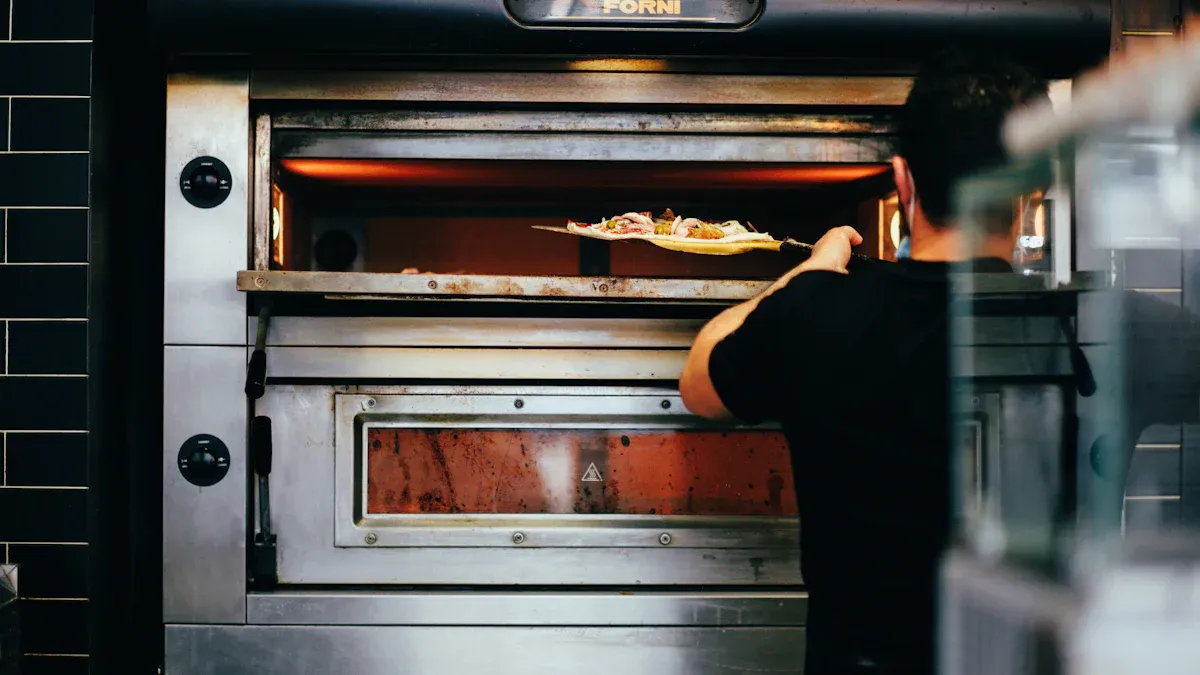
Image Source: unsplash
A gas convection oven makes heat by burning natural gas or propane. There is a fan inside the oven that blows hot air around the food. This fan helps the heat reach all parts of the oven. Food cooks faster because the air keeps moving. The heat spreads out so food cooks evenly.
The fan moves hot air into every part of the oven.
Even heat means there are not many cold or hot spots.
Food can cook up to 25% faster than in ovens without a fan.
Bakers see that cookies and cakes look the same on every rack.
This design helps people cook better food at home. They do not have to worry about one side burning while the other side is raw. The gas convection oven makes it simple to bake, roast, and broil with good results.
People sometimes ask how a gas convection oven is different from other ovens. The main difference is how each oven heats and moves air. Here is a quick chart:
| Feature | Convection Oven | Conventional Oven |
|---|---|---|
| Heat Distribution | Uses a fan to blow hot air everywhere | Uses heating parts, can make hot spots |
| Cooking Time | Usually faster because heat spreads out | Slower, may need more time to cook |
| Cooking Consistency | More even results on all racks | Uneven results, especially with more than one rack |
Gas ovens get hot fast. Most gas ovens are ready in about 5 to 10 minutes. Electric ovens take longer, about 10 to 15 minutes. The fan in both gas and electric ovens helps them heat up and cook food faster. Some gas convection ovens preheat even quicker because the fan spreads heat right away.
A gas convection oven is special because it mixes fast gas heat with the fan’s even air flow. This helps cooks save time and get good results, even when using many racks at once.
The broiler in a gas convection oven gives cooks extra cooking power. Gas broilers use a flame or strong heat at the top of the oven. This makes a strong, direct heat that browns and crisps food fast.
Broilers in gas convection ovens often work better than electric ones.
The heat from gas feels stronger and changes quickly when you turn the knob.
Chefs like the broiler for melting cheese, crisping casseroles, or finishing steaks.
The mix of gas heat and a fan means the oven can do many things. You can bake bread, roast vegetables, or broil a steak. The gas convection oven gives steady, even heat every time.
A gas convection oven helps people cook food the same way every time. The fan inside blows hot air all around the oven. This makes sure food bakes and roasts evenly. Cookies on the top rack look like the ones on the bottom. Cakes rise with flat tops. Roasted vegetables get crispy everywhere. The oven keeps the heat steady, so food does not burn or stay raw in the middle.
The fan and extra heating part keep the heat moving.
Hot air goes to every spot, so there are no cold places.
Bakers see bread, pies, and pastries turn out the same each time.
Many cooks and bakers trust this oven because it works well. They do not have to turn pans or worry about food cooking unevenly. Baking and roasting are easier for everyone with this oven.
People want to know if a gas convection oven saves money. The answer is yes. This oven cooks food faster and at lower heat. The fan helps food finish sooner, so the oven uses less energy. Families pay less for bills, and restaurants save money too.
Cooking with convection uses about 20% less energy than regular ovens.
The fan lets cooks use lower heat and less time.
Saving energy means less heat escapes, so the kitchen stays cooler.
Here is a chart that shows yearly costs:
| Oven Type | Annual Operating Cost |
|---|---|
| Gas Convection | 20−60 |
| Electric Convection | $145 |
People who pick a gas convection oven spend less on energy over time. This oven helps homes and restaurants save money and make good food.
A gas convection oven can do more than just bake and roast. It can broil, air fry, and cook many recipes. Chefs use it for bread, pizza, casseroles, and desserts. Some ovens have extra settings like steam or drying, which give more ways to cook.
Tip: Use the air fry setting for crispy fries or chicken without much oil.
Big kitchens like this oven because it works fast and does many jobs. The oven cooks food about 25% faster than regular ovens. It can roast, bake, and broil, so chefs do not need lots of machines. The oven’s steady heat and quick cooking help restaurants serve more people and keep food good.
Even cooking means chefs do not have to turn pans.
The oven works at lower heat, so it saves energy.
It fits many ways to cook, from baking bread to broiling steak.
A gas convection oven gives value for cooks at home and at work. People like its speed, energy savings, and the chance to try new recipes. This oven makes every kitchen better and more useful.
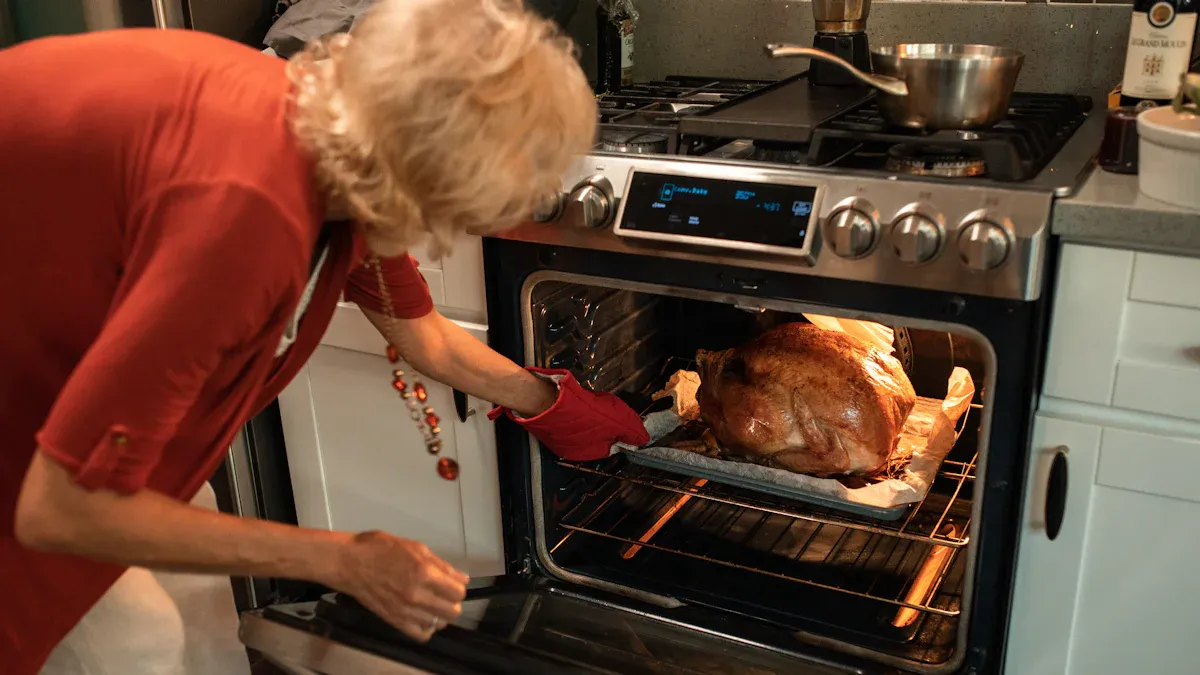
Image Source: pexels
When you use a gas convection oven, you need to change recipes a little. The fan blows hot air, so food cooks quicker and more evenly. Most recipes need a lower temperature or less time to cook well. Lower the oven heat by about 25°F when using convection. Food is done about 25% faster, so check it early so it does not overcook.
Here is a simple chart for changing recipes:
| Adjustment Type | Recommendation |
|---|---|
| Reduce cooking temperature | by 25 degrees F (about 15 degrees C) |
| Reduce cooking time | by 25 percent |
| Reduce both temperature and time | by less than 25 percent |
Watch your food the first few times you use convection. This helps you learn how your oven works with your favorite meals.
Picking a gas convection oven depends on your kitchen, what you cook, and your budget. Home cooks and chefs want different things, but some features are important for everyone.
| Factor | Description |
|---|---|
| Size and Capacity | Pick a size that fits your kitchen and the food you make. |
| Fuel Type | Gas heats up quickly and can save money. |
| Temperature Control | Find easy-to-read displays and controls that work well. |
| Cooking Modes and Features | Extra settings like steam or air fry give you more ways to cook. |
| Construction and Durability | Stainless steel lasts longer and keeps heat inside the oven. |
| Ease of Cleaning | Removable racks and self-cleaning make cleaning easier. |
| Ventilation Requirements | Make sure the oven works with your kitchen’s vent system. |
| Price and Warranty | Set a budget and check the warranty for peace of mind. |
Many people want fast heat control, strong convection, and ways to try new recipes. Restaurants need bigger ovens with more power for lots of food.
To get the best results, follow some easy tips. Use the convection setting for even cooking and browning. Plan and get ready before you start cooking. Let the oven’s fan move the heat, so you do not have to turn pans. Check recipes and change times and temperatures if needed.
Chefs use high heat for searing and trust the fan for baking many things at once. Home cooks can use these ideas too. The steady heat helps bread rise, makes veggies crispy, and gives baked goods a golden color.
Tip: Trust the oven’s fan to move heat around. This means you do not have to worry, and your food turns out great every time.
Cleaning a gas convection oven helps it last longer. Most people wipe the inside after using it. They pick up crumbs and clean spills every day. A wet cloth works for most messes. Some people use lemon juice or vinegar instead of strong cleaners. A wire brush can clean food stuck on grates. It is good to check the oven door seal and clean around it. This keeps heat inside and saves energy.
Clean up crumbs and spills right away.
Use a wire brush for hard spots on grates.
Clean the door seal and edges so the oven closes tight.
Leave the oven door open after cleaning to let it dry.
Busy kitchens should clean the oven well at the end of the day. Cleaning less-used parts once a month stops dirt from building up.
Every few months, give the oven a deep clean. Mix baking soda, salt, and water to make a thick paste. Spread the paste on dirty spots and leave it overnight. In the morning, scrape off the paste and wipe with a wet towel. Ammonia can help with tough dirt if left in a cool oven for hours. Store cleaners work for stains, but always follow the safety rules.
If the oven has problems, check the temperature with a thermometer. Clean vents and fans to keep air moving and stop hot spots. Do not use foil liners because they block air. If the oven will not start, check the igniter and clean the burner holes. If it still does not work, call a repair person.
Important: If you smell gas, turn off the oven, open windows, and get help fast.
Cleaning often lowers the chance of fire. Check the door seals and gaskets to keep heat inside and stay safe. Look at the heating parts for damage and change them if needed. Make sure all buttons and knobs work right. Clean burners to stop flare-ups. Turn pot handles in so they do not spill. A carbon monoxide detector gives extra safety.
| Safety Tip | Why It Matters |
|---|---|
| Clean burners regularly | Stops flare-ups |
| Inspect door seals | Saves energy, keeps oven safe |
| Check controls | Makes sure oven is safe |
| Use carbon monoxide detector | Protects from gas problems |
A clean oven cooks food better and keeps people safe. Taking care of the oven makes cooking easier and more fun.
A gas convection oven helps you cook food quickly. It also makes sure food cooks evenly and saves energy. People who cook at home and chefs like how the oven keeps heat steady. They also like that it can do many things. To get good results, they often do these things:
Use convection when they want food to brown evenly, like pies or bread.
Turn down the heat for soft baked goods.
Add steam to keep dough moist.
Choose pans with low sides so air can move well.
Trying these ideas helps anyone make tasty food. This oven is useful and makes cooking fun every day.
A gas convection oven uses a fan to move hot air around the food. This helps food cook faster and more evenly. Regular gas ovens do not have this fan, so they may have hot or cold spots.
Yes, metal pans work well in a gas convection oven. They help heat move quickly and give baked goods a nice brown color. Many cooks use metal pans for cookies, cakes, and roasted vegetables.
Roasted meats, vegetables, cookies, and pastries turn out great in a gas convection oven. The moving air helps food brown and crisp. Many people also use it for pizza, casseroles, and even air frying.
Kids can use a gas convection oven with adult help. The oven gets hot quickly, so they should always use oven mitts. Adults should show kids how to use the controls and keep an eye on them while cooking.
Wipe the oven after each use to keep it clean. Deep clean every few months or when you see a lot of spills. Regular cleaning helps the oven last longer and keeps food tasting fresh.


