

close
Choose Your Site
Global
Social Media
Views: 56890 Author: Site Editor Publish Time: 2024-01-04 Origin: Site
You want crispy chicken wings, right? Just heat your oil to 375°F and fry for 8-10 minutes. Always check that the inside reaches 165°F to stay safe. Try batch frying for even cooking. For extra crunch, use a two-step frying method—first low, then high heat.
Heat oil to 375°F for crispy chicken wings. Fry for 8-10 minutes and check that the internal temperature reaches 165°F for safety.
Use a two-step frying method for extra crunch. First, fry at a lower temperature, let wings rest, then fry again at high heat.
Avoid overcrowding the fryer. Fry in small batches to maintain oil temperature and ensure even cooking.
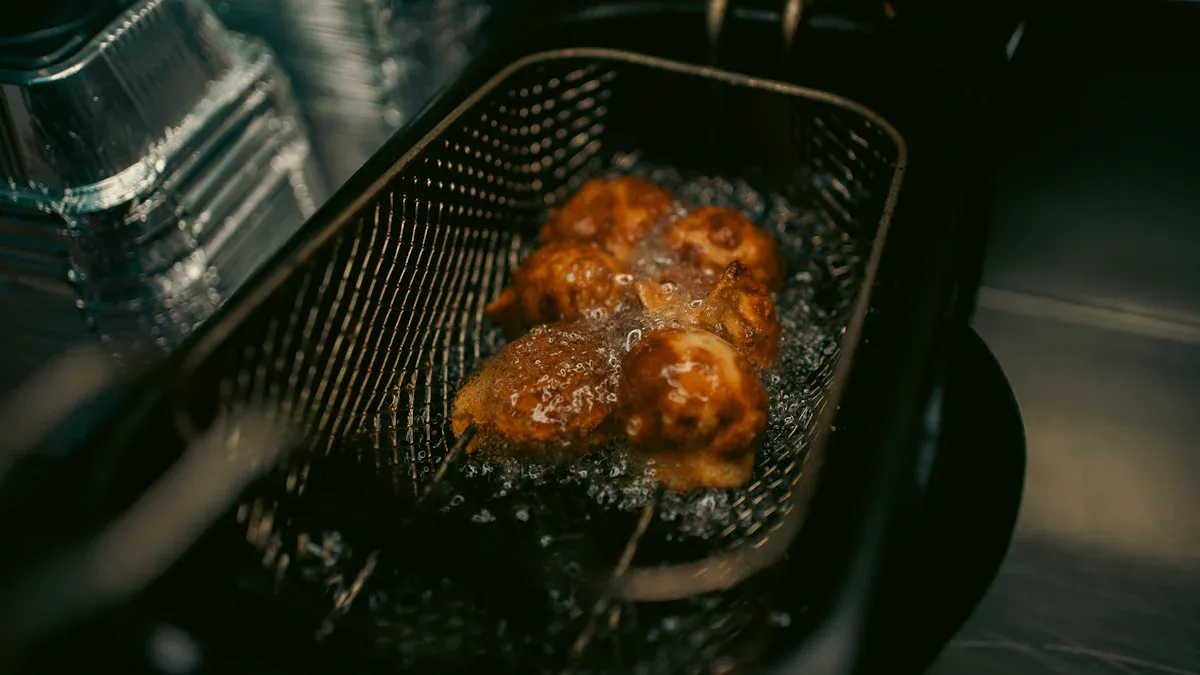
Image Source: pexels
You want your chicken wings to turn out crispy and safe to eat. Start by pouring your chosen oil into the deep fryer. Set the temperature to 375°F and let it heat up. This temperature gives you a golden, crunchy finish. Some experts say 350°F is also great for deep fry chicken wings because it cooks the meat thoroughly without burning the skin. Here are some top oils for frying chicken wings and their smoke points:
| Oil Type | Smoke Point (°F) | Characteristics |
|---|---|---|
| Vegetable Oil | 400 to 450 | Great all-around choice, often a blend, economical, shelf-stable properties. |
| Peanut Oil | 450 | Good for high heat, slightly nutty flavor, not suitable for those with allergies. |
| Corn Oil | 450 | Inexpensive, neutral flavor, ideal for frying. |
| Refined Avocado Oil | 520 | Highest smoke point, stable, slightly nutty taste. |
| Rice Bran Oil | N/A | Mild flavor, great for deep frying, more expensive. |
| Canola Oil | 400 | Neutral flavor, affordable, stable for frying. |
| Blended Oil | Up to 450 | Combines benefits of different oils, economical choice. |

Getting your chicken wings ready is key for even cooking and crispiness. Follow these steps before you fry chicken wings:
Rinse the chicken wings with water and lemon juice.
Remove any feathers you see.
Pat the wings dry with paper towels.
Mix your favorite seasonings and powders in a small bowl.
Sprinkle half the seasoning blend over the wings.
Toss the wings so they get coated.
In a shallow dish, mix flour, baking powder, cornstarch, and the rest of the seasoning blend.
Dredge each wing in the flour mixture. Squeeze the flour onto the wing and shake off any extra.
These steps help you get crispy skin and juicy meat when you fry chicken wings.
When you fry chicken wings, don’t crowd the fryer. You might want to cook a lot at once, but that’s not a good idea. Here’s why:
Overcrowding the fryer during peak kitchen hours can be tempting. However, this practice significantly impacts food quality and safety. Too many items in the fryer will cause the oil temperature to drop, resulting in undercooked food. This not only affects texture and taste but also poses health risks. Additionally, overcrowding can lead to flavor transfer between foods, compromising the distinct taste of each dish.
Put a single layer of chicken wings in the hot oil. Let them cook for 8-10 minutes. This cook time gives you crispy wings with juicy meat. Use tongs to turn the wings halfway through. When the first batch is done, take them out and let them drain on a rack or paper towels. Repeat with the next batch until you fry all the wings.
Want to know how to fry chicken wings for the crunchiest bite? Try the two-step frying method. Here’s how you do it:
First fry: Place the chicken wings in the hot oil. Fry until the skin starts to crisp.
Rest: Take the wings out and let them rest for several minutes. This lets moisture evaporate.
Second fry: Put the wings back in the hot oil. Fry the wings until the skin browns and gets extra crispy.
The two-step process makes chicken wings super crispy outside and juicy inside. You get wings that stay crunchy, even after you toss them in sauce. This method works well if you want to fry chicken wings for a party or game night.
If you follow these steps, you’ll master how to fry chicken wings in a deep fryer. You’ll get crispy skin, juicy meat, and perfect flavor every time.
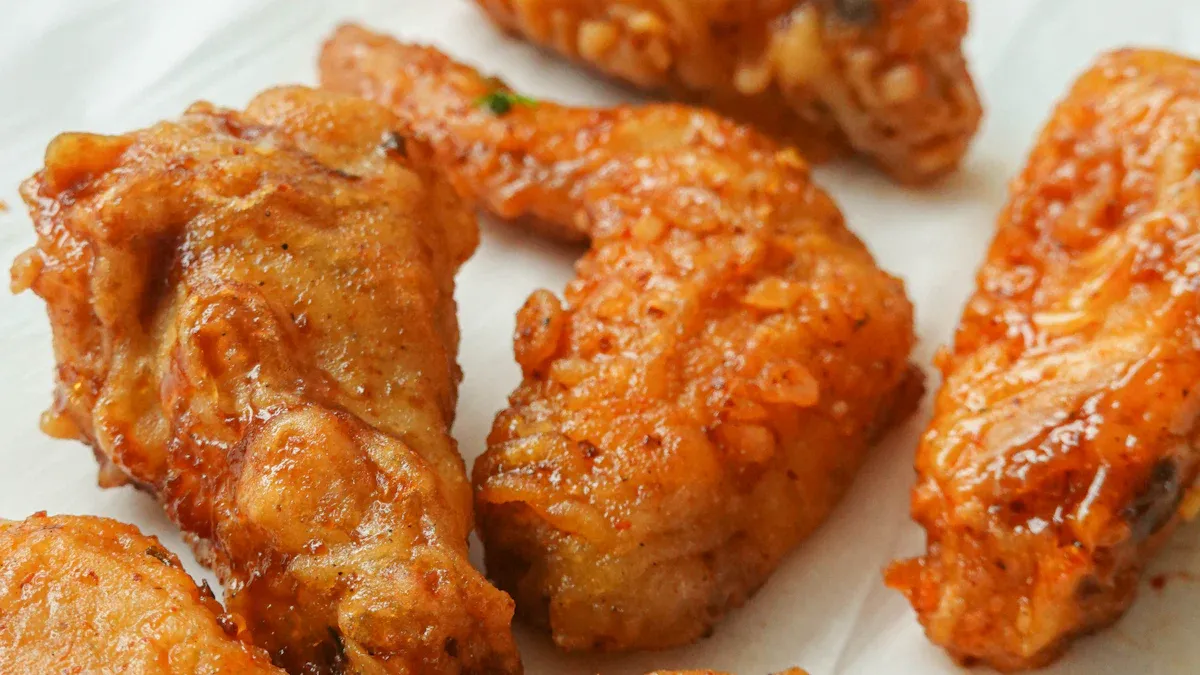
Image Source: unsplash
You want your chicken wings to be safe and delicious. The best way to check if your wings are cooked is by using a meat thermometer. Stick the thermometer into the thickest part of the wing, making sure it does not touch the bone.
The USDA says the minimum safe internal temperature for chicken wings is 165°F.
Cooking wings to a higher internal temperature, around 175-180°F, makes them more tender and juicy.
If you like extra crispy fried chicken wings, aim for an internal temperature closer to 185-190°F. This helps the skin get crunchy without drying out the meat.
Tip: Always check the temperature of several wings in each batch. Oil temperature can vary, so some wings may cook faster than others.
You do not always need a thermometer to spot perfectly cooked chicken wings. Look for these signs:
Clear juices: If you see pink or red liquid, the wings need more time.
Crispy, golden-brown skin: The skin should look dry and crunchy before you add any sauce.
Meat pulls from the joint: The drum and flat should separate easily.
No translucent spots: Glossy or gelatinous areas near the joints mean the wings are undercooked.
Firm texture: Press lightly on the wing. It should bounce back and not feel rubbery.
If your chicken wings show these signs, you are on your way to crispy chicken wings that everyone will love.
Getting crispy fried chicken wings every time takes a little practice. Here are some expert tips to help you out:
Dry-brine your wings. Season them with salt and pepper, then let them sit on a wire rack in the fridge for up to 24 hours. This dries out the skin and makes it crispier.
Use a dry batter. Toss your wings in a seasoned flour mix for extra crunch.
Brush with butter or oil before frying. This helps the skin brown and crisp.
Fry in batches. Do not crowd the fryer. This keeps the oil hot and gives you even cooking.
Drain wings on a wire rack. Let the fat drip off so the wings stay crispy.
Try the two-step frying method. Fry once at a lower temperature, let the wings rest, then fry again at high heat for maximum crunch.
"The cool air from the refrigerator will help the baking soda in the baking powder draw out the moisture on the surface of the wings. This will create a drier surface that will help improve crispness."
Sometimes things do not go as planned when you fry chicken wings. Here are some common problems and how to fix them:
Soggy or greasy wings:
Do not crowd the fryer. Fry in small batches to keep the oil temperature steady.
Drain wings on a wire rack instead of paper towels. Paper towels can trap steam and make wings soggy.
Undercooked wings:
Check the internal temperature. If it is below 165°F, fry a little longer.
Look for clear juices and firm texture.
Overcooked wings:
Watch the frying time. Most wings need only 8-10 minutes.
Use a thermometer to avoid going past 190°F.
Oil problems:
Change oil often, especially during busy times.
Remove debris with a skimmer before it burns.
Shake off ice crystals from frozen wings before frying.
| Maintenance Step | Description |
|---|---|
| Drain fryer oil | Drain oil at 120-130°F to keep it fresh. |
| Flush debris | Open the valve to clear out crumbs and bits. |
| Clean fryer | Use a cleaner and scrubber for hygiene. |
| Rinse and dry | Make sure the fryer is dry before refilling. |
| Regular boil-outs | Deep clean every few weeks. |
| Preventative maintenance | Schedule checkups to catch problems early. |
Note: If you want crispy fried chicken wings every time, keep your fryer clean and your oil fresh. This makes a big difference in taste and texture.
With these tips and tricks, you can fry chicken wings that are crispy, juicy, and safe to eat. You will impress your friends and family with your crispy fried chicken wings every time.
Fry chicken wings at 325–350°F for 8–10 minutes.
Use a thermometer to check for 165°F inside for safety and crispiness.
Try batch frying and the two-step method for the best chicken wings recipe.
Enjoy your crispy chicken wings with your favorite sauce!
Place your wings on a wire rack. Let air circulate around them. Avoid stacking. This keeps the skin crunchy and delicious.
You can fry frozen wings. Pat them dry first. Fry a little longer. Always check the internal temperature for safety.
Peanut oil gives a great flavor.
Canola oil works well for a neutral taste.
Vegetable oil is affordable and reliable.


