

close
Choose Your Site
Global
Social Media
Views: 0 Author: Site Editor Publish Time: 2025-08-12 Origin: Site
Are you confused about choosing between a deep fryer and an air fryer? With the rise of healthier cooking trends, air fryers have gained popularity, but deep fryers still hold a timeless appeal. Understanding the differences between these two appliances is crucial when deciding which one suits your cooking needs. In this post, we'll explore the key differences of deep fryers and air fryers. By the end, you'll have all the information you need to make the right choice for your kitchen.
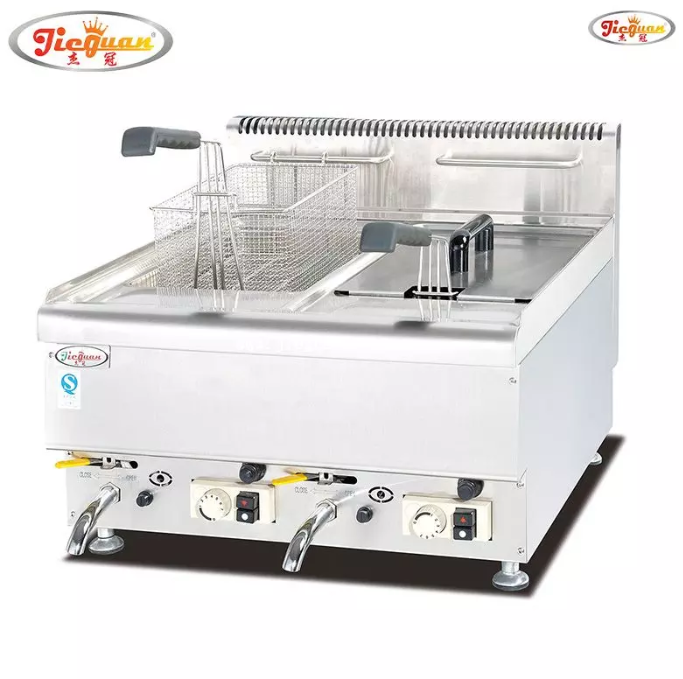
A deep fryer is a kitchen appliance used for frying food by immersing it in hot oil. This traditional method cooks food quickly, giving it a crispy texture. The hot oil surrounds the food, evenly cooking it from all sides.
A deep fryer typically consists of a basket to hold the food and a heating element that heats the oil. Some models feature adjustable temperature settings and timers to control the cooking process.
There are different types of deep fryers available:
● Countertop Fryers: Small and compact, suitable for home use.
● Commercial Fryers: Larger, designed for heavy-duty cooking in restaurants.
● Electric Fryers: Convenient and easy to use with an electric heat source.
● Stovetop Fryers: These require a separate heat source, typically a stovetop or burner.
An air fryer is a popular kitchen gadget that cooks food using hot air and convection. It mimics the frying process but uses little to no oil, making it a healthier option. The circulating hot air creates a crispy exterior without soaking the food in oil.
Air fryers come in various types:
● Basket-Style Air Fryers: The most common design, featuring a basket to hold food.
● Oven-Style Air Fryers: Larger and can cook more food at once, with a tray or rack.
● Multi-Functional Air Fryers: Combine multiple cooking functions, like roasting, baking, and grilling.
Air frying offers several benefits over traditional frying, including:
● Less oil: You use minimal or no oil at all.
● Healthier meals: Lower fat and calorie content compared to deep-fried foods.
● Convenience: Faster cooking times with less mess and cleanup.
Deep frying is a cooking method that involves completely submerging food in hot oil. The high temperature of the oil cooks the food quickly, creating a crispy, golden-brown crust on the outside, while locking in moisture on the inside. Common oils used in deep fryers include canola, vegetable, and peanut oils. These oils have high smoke points, making them ideal for cooking at temperatures of 325°F to 375°F. The process of deep frying is consistent, providing reliably crispy and evenly cooked food. However, it can be messy, as oil splatters, and it requires the disposal of oil after each use, which can be inconvenient.
Air frying, on the other hand, uses a convection heating element to circulate hot air around the food. This mimics the effects of deep frying, but without the need for submerging food in oil. The air fryer's fan ensures that the food cooks quickly and evenly, while still achieving a crispy texture. It's a much healthier alternative since it uses minimal or no oil. However, the crispy texture is generally lighter and less greasy than that of deep-fried foods, which some may find less authentic. Air fryers are great for cooking foods like vegetables, chicken wings, or even frozen snacks, but they don't achieve the same heavy, rich crispiness that deep frying does.
● Deep Fryers: A deep fryer typically requires 2 quarts of oil for each cooking session. This amount is necessary to ensure that the food is fully submerged, which allows it to cook evenly and become crispy. However, this can be wasteful, especially for smaller portions, and the oil must be replaced after several uses.
● Air Fryers: Air fryers require significantly less oil. Often, a light spritz or a tablespoon is all that's needed. Some air fryer recipes don't require any oil at all, making it up to 100 times more efficient in terms of oil usage compared to deep fryers.
One of the biggest concerns with deep frying is the health impact. The large amount of oil absorbed into the food increases the fat and calorie content, which can contribute to weight gain and other health issues like heart disease. Deep-fried food tends to be high in unhealthy trans fats, especially if oils are reused multiple times. Air fryers offer a healthier alternative by drastically reducing the amount of oil used. This results in lower calorie content and a reduced intake of fats, making air fryers a better option for anyone looking to make healthier meals without sacrificing flavor.
Deep fryers impart a distinct, oil-infused flavor to food. Many people enjoy the rich, savory taste that comes from frying in oil, as it adds a depth of flavor that's hard to replicate with other cooking methods. However, this oil flavor can sometimes overpower the natural flavors of the food. Air fryers, on the other hand, allow the natural taste of the food to come through. Since less oil is used, the flavors are cleaner and lighter. Air frying helps preserve the food's natural taste while still achieving a crispy texture.
● Deep Fryers: One of the main benefits of deep fryers is the speed at which they cook food. The oil is preheated to high temperatures, allowing food to cook quickly and achieve that golden-brown crispiness in just a few minutes. However, the time it takes to heat the oil before cooking can add a few extra minutes to the process, especially for larger batches.
● Air Fryers: While air fryers generally take longer to cook food than deep fryers, the difference in time isn't always significant. Since air fryers use hot air circulation instead of oil, cooking times are a bit longer, but the overall process is still relatively fast. The time saved in cleanup and prep makes up for the slightly longer cooking times.
● Deep Fryer Cleanup: Cleaning a deep fryer can be a hassle. After cooking, you need to dispose of the used oil, which can be messy and unpleasant. Additionally, the fryer basket and other components need to be cleaned, which often involves scrubbing off grease and food residue. This makes cleanup time-consuming and inconvenient.
● Air Fryer Cleanup: Air fryers are far easier to clean. Many air fryer parts are dishwasher-safe, so cleanup is quick and easy. Since air fryers use little to no oil, there's no greasy residue to scrub away. Additionally, you won't need to worry about disposing of used oil, making air fryers a more convenient choice for everyday use.

● Deep Fryer: Foods cooked in a deep fryer are infused with oil, giving them a rich, oil-infused flavor. The result is a thicker, crispier crust that's full of that classic fried taste. Deep fryers produce a heavier texture, perfect for those who love that indulgent, deep-fried flavor.
● Air Fryer: In contrast, air fryers create a more subtle, lighter crisp texture. While you can still get that satisfying crunch, the flavors are more focused on the food itself. Air frying does a great job of enhancing natural flavors, making it a healthier but less oily alternative.
● Deep Fryer: If you're craving classic, crispy foods like fried chicken, French fries, or anything battered, a deep fryer is your best choice. These foods benefit from the hot oil bath, achieving that perfect golden-brown crust.
● Air Fryer: Air fryers shine with lighter snacks and dishes that don't require batter. They're great for cooking vegetables, making crispy chips, or even roasting small portions of meat. You'll find air fryers to be the best choice for healthy alternatives to fried foods, like crispy sweet potato fries or roasted Brussels sprouts.
● Air Fryers: Air fryers offer a lot of cooking versatility. In addition to frying, they can roast vegetables, bake desserts, grill meats, and even dehydrate fruits or make jerky. This makes them a great all-in-one kitchen appliance, especially for anyone looking to experiment with different cooking styles.
● Deep Fryers: Deep fryers are quite limited in comparison. They are specifically designed for frying and cannot be used for other cooking techniques. If you're looking to make anything other than fried foods, a deep fryer will not be the right choice.
● Deep Fryers: Deep fryers are made for one thing: frying. They work best when the food is submerged in hot oil. Trying to cook non-fried foods in a deep fryer, like roasted vegetables or baked items, can be a challenge. They just won't come out the same.
● Air Fryers: On the other hand, air fryers are much more flexible. Not only can you cook crispy fried foods with less oil, but you can also bake muffins, roast a small chicken, or even make a pizza. Air fryers are perfect for those who want a multifunctional cooking tool in their kitchen.
● Air Fryers: Air fryers are generally larger than deep fryers and require more countertop space. Some models can be bulky, especially those with additional features like baking or grilling functions. If your kitchen is small or if you don't have much counter space, fitting an air fryer might be a challenge.
● Deep Fryers: Typically, deep fryers have a more compact design. Most models are smaller and easier to store. They can be placed in a kitchen cabinet or stored in a pantry without taking up too much space, making them a better option for those with limited room in the kitchen.
● Air Fryers: Air fryers are available at a range of prices, generally affordable for most households. You can find basic models starting at around $50, while more advanced versions with additional functions can cost several hundred dollars. However, most air fryers are budget-friendly for regular use and offer great value for their versatility.
● Deep Fryers: Deep fryers are also relatively affordable, especially basic models. Entry-level deep fryers can cost as little as $30 to $50. However, the initial price can rise with features like adjustable temperature controls, larger capacity, or advanced frying technology. Overall, deep fryers are typically cheaper upfront but come with hidden costs like oil and maintenance.
● Air Fryer: One of the biggest advantages of an air fryer is its minimal ongoing cost. Since it uses little to no oil, you won't need to constantly buy refills. Even with occasional oil use, the cost remains low compared to deep frying. Additionally, air fryers often require less maintenance, which saves you money in the long run.
● Deep Fryer: The ongoing cost of a deep fryer can be significant. Each time you fry, you'll need to use a large amount of oil, and after a few uses, the oil needs to be replaced. Oil can be expensive, especially if you fry frequently. The cost of oil refills, along with the time and effort needed to dispose of used oil, adds to the overall expense of using a deep fryer regularly.
The deep fryers use more oil, provide a richer taste, and cook faster. Air fryers use less oil, are healthier, and take longer but save time on cleanup. If you prefer healthier, quicker, and versatile cooking, go for an air fryer. But if you're after that classic, crispy deep-fried flavor, a deep fryer is the way to go. If you need further advice, don't hesitate to contact Jieguan to help you make the best choice for your needs.
A: Air fryers create a light, crispy texture but may not provide the same thick, crunchy coating that deep fryers do due to the lack of oil immersion. However, they still deliver satisfying crispiness with much less oil.
A: Yes, many air fryers come with racks or trays, allowing you to cook multiple items at once. However, avoid overcrowding to ensure even cooking.
A: It's recommended to change the oil after 8-10 uses, or when the oil appears dark or thick. Regular oil changes maintain food quality and prevent build-up.
A: Yes, you can fry frozen food in a deep fryer. Just be cautious as frozen food may cause oil splatters and requires slightly longer cooking time.
A: Oils with high smoke points, like peanut, canola, or vegetable oil, are best for deep frying. They can withstand high temperatures without burning.


