

close
Choose Your Site
Global
Social Media
Views: 0 Author: Site Editor Publish Time: 2025-08-15 Origin: Site
Choosing the right microwave oven can be overwhelming with so many options available. Are you unsure whether a solo, grill, or convection microwave is best for you? Each type offers unique benefits tailored to different cooking needs.
In this post, we’ll compare the features and benefits of solo, grill, and convection microwave ovens. By the end, you’ll be equipped to choose the ideal microwave for your kitchen.
A microwave oven is a kitchen appliance that uses microwave radiation to cook or heat food. Microwaves are a form of electromagnetic waves, which are absorbed by food to produce heat. This heat is what cooks or warms the food, making it quicker and more energy-efficient compared to traditional cooking methods.
The microwave oven is composed of a magnetron, which generates microwaves. These waves then bounce around the oven’s interior and are absorbed by food, causing water molecules in the food to vibrate and heat up.
Microwave ovens are versatile and used for many tasks in the kitchen. The most common uses include:
Heating: Quickly reheating leftover meals or beverages.
Defrosting: Safely thawing frozen foods without waiting for hours.
Cooking: Preparing quick meals, snacks, and even some types of desserts.
Advantages over traditional cooking methods:
Time-saving: Microwaves cook food faster than conventional ovens.
Energy-efficient: They use less energy by heating food directly rather than heating the entire oven.
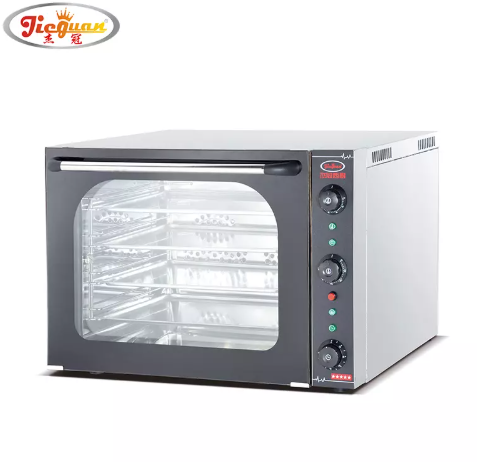
A solo microwave is the most basic type of microwave. It works primarily by using microwave radiation to heat and cook food. Solo microwaves are designed for simple tasks like reheating leftovers, defrosting frozen food, and cooking basic meals such as popcorn or instant noodles. They have a compact design and are easy to operate.
Solo microwaves are best for those who only need to quickly heat or defrost food. They're ideal for individuals, small families, or anyone who does not need advanced features like baking or grilling. If you’re looking for a straightforward, no-fuss appliance that gets the job done, the solo microwave is a great choice.
Pros:
Affordable: Solo microwaves are the least expensive option, making them a budget-friendly choice.
Simple to Use: With only basic controls, they are very user-friendly.
Energy Efficient: Since they only use microwave radiation, they consume less power for basic tasks like reheating or defrosting.
Cons:
Limited Functionality: It can't bake, roast, or grill food.
Basic Design: It lacks the versatility and additional features found in more advanced models.
A grill microwave combines the basic microwave functions with an added grilling feature. This allows you to cook or heat food with a grilling function for that crispy, browned texture. Grill microwaves often come with a metal grilling tray or rack to help distribute heat for a better grilling result. They are slightly larger and more powerful than solo microwaves.
If you enjoy grilled food but don’t want to invest in a full-sized grill, a grill microwave is a great option. It’s perfect for grilling vegetables, meats, or even preparing crispy sandwiches. For people who want more than basic microwave heating, this type of microwave offers a versatile cooking experience.
Pros:
Grilling Feature: You can grill meats, vegetables, and more, making it more versatile than a solo microwave.
Faster than Traditional Grilling: Provides a quicker way to get grilled food without needing a separate grill appliance.
Space-Saving: Great for smaller kitchens where you might not have room for a separate oven or grill.
Cons:
Cannot Bake or Roast: Unlike convection models, grill microwaves can’t bake or roast foods.
Limited Grilling Capacity: Some models may not provide even grilling, and cooking capacity can be restrictive.
A convection microwave combines microwave heating with the benefits of a convection oven. It uses hot air to circulate around the food, providing an effect similar to that of a conventional oven. This combination allows the appliance to bake, roast, grill, and microwave food, making it the most versatile type. It’s ideal for those who need an all-in-one cooking appliance.
If you want the flexibility to bake cakes, roast meats, and grill all in one appliance, a convection microwave is perfect. It's a great option for those who want the efficiency of a microwave combined with the capabilities of a traditional oven. This type is ideal for families who want a versatile appliance but have limited kitchen space.
Pros:
Multi-Functionality: It can bake, roast, grill, and microwave food, making it perfect for all types of cooking.
Time-Saving: The combination of microwaves and convection heating speeds up the cooking process.
Space-Efficient: It can replace multiple kitchen appliances (microwave, oven, grill), making it ideal for smaller kitchens.
Crispy and Brown Results: With convection technology, foods can be browned and crisped, offering results similar to a traditional oven.
Cons:
Higher Cost: Convection microwaves are typically more expensive than solo or grill models.
Complexity: It may take some time to learn how to use all its features effectively.
Size: While compact compared to having separate appliances, convection microwaves are usually larger than solo or grill models.
When it comes to choosing the right microwave oven, understanding their differences is essential. Each model has its own unique features, suited for different cooking needs.
Solo Microwaves: Primarily for reheating, defrosting, and basic cooking. They can't bake or roast.
Grill Microwaves: In addition to the usual microwave functions, they allow you to grill foods like sandwiches, meats, and vegetables.
Convection Microwaves: These are the most versatile, capable of baking, roasting, and grilling, in addition to the typical microwave tasks.
Solo Microwaves: These are the most budget-friendly models, generally priced lower than others.
Grill Microwaves: Slightly more expensive due to the added grilling function.
Convection Microwaves: These tend to be the most expensive due to their advanced features and versatility.
Solo Microwaves: They are fast at reheating or defrosting, but slower in cooking complex meals.
Grill Microwaves: Grilling adds a bit of time to the cooking process compared to a solo microwave, but it's faster than using a traditional grill.
Convection Microwaves: Although versatile, they might take longer than solo microwaves due to the additional baking and roasting functions.
Solo Microwaves: Generally, solo models are more energy-efficient as they are designed for quick, simple tasks.
Grill Microwaves: They consume a bit more energy due to the grilling feature.
Convection Microwaves: These use more energy, especially when baking or roasting, as they use both microwave and hot air for cooking.
Solo Microwaves: They are straightforward, with easy-to-use controls and fewer cleaning requirements.
Grill Microwaves: These come with grilling trays, which may need extra cleaning, but still simple to use.
Convection Microwaves: While offering great versatility, these can be more complex to use and require more cleaning due to the multiple cooking functions.
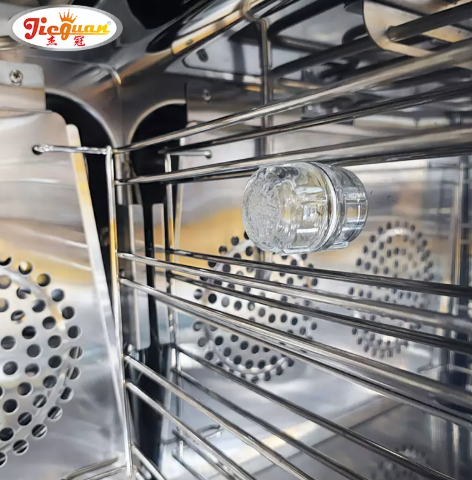
Solo Microwave: If you only need a microwave to reheat or defrost food, a solo microwave is perfect. It’s simple, affordable, and ideal for basic tasks.
Grill Microwave: Want to enjoy grilling without a separate grill? Grill microwaves are a great choice. They can grill your favorite meats, vegetables, and sandwiches in no time.
Convection Microwave: If you love variety in your cooking, go for a convection microwave. It lets you bake, roast, and grill, all in one appliance.
Solo and Grill Microwaves: These models are smaller and fit easily into tight spaces. Great for small kitchens, dorms, or anyone who doesn't need extensive cooking features.
Convection Microwaves: A bit larger, but worth the space if you want the ability to bake, roast, and grill. They can replace multiple appliances, saving space in the long run.
Solo Microwaves: They are the most budget-friendly option. You’ll get basic microwave functions without spending too much.
Grill Microwaves: These cost a little more than solo models, but you get the added benefit of grilling, making them worth the investment for grilling enthusiasts.
Convection Microwaves: These are the premium models, so they come with a higher price tag. But if you need the versatility to bake, roast, and grill, they’re an investment worth considering.
Microwave ovens are more than just simple cooking appliances now. They come with various smart features to make cooking easier and more efficient.
Inverter Technology: This feature provides consistent cooking power, ensuring that your food is evenly heated without hot spots. It also makes your microwave more energy-efficient, saving you time and electricity.
Auto Cook Programs: Many modern microwaves come with preset cooking modes for specific foods like popcorn, pizza, or vegetables. These programs make cooking convenient and ensure consistent results without needing constant supervision.
Digital Controls vs. Mechanical Controls: Digital controls offer precise temperature and timing adjustments, while mechanical controls are simpler and more durable. Digital controls often come with extra features like timers and memory functions, but some people prefer the simplicity of mechanical ones.
The size and capacity of your microwave oven should match your family’s needs and your kitchen space.
Choosing the Right Size for Your Family:
Small (20-25L) models are perfect for individuals or small families. They take up less space but can still handle basic tasks.
Larger (30L and above) models are ideal for bigger families or those who need to cook large meals. They offer more room for dishes like casseroles or multiple servings.
Size Considerations Based on Kitchen Space:
When selecting the microwave size, consider your available kitchen counter space. Larger models might be bulkier, so ensure you have enough room for them.
Regular maintenance is essential to ensure your microwave works well and lasts longer.
Solo Microwave: These are easier to clean due to their basic design. Since they don’t have extra functions, there are fewer places for food particles to hide. Just wipe the interior and exterior to keep it in good condition.
Grill and Convection Microwaves: These models have more parts, like grills and convection fans. Cleaning them can take extra time, especially around the grill tray and fan. Be sure to regularly clean these areas to avoid grease buildup and ensure optimal performance.
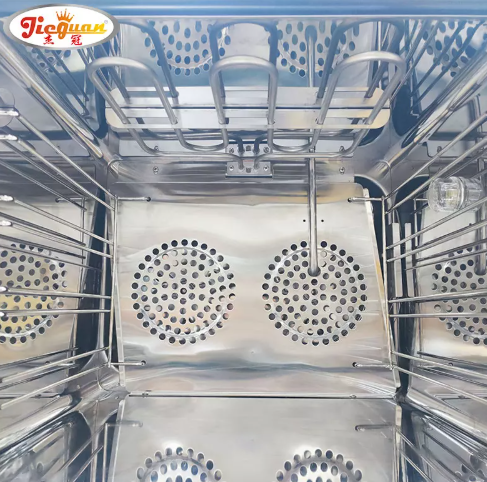
Choosing the right microwave oven depends on your cooking needs and kitchen space. Solo microwaves are great for simple tasks, while grill models add versatility for grilling. Convection microwaves offer the most features, including baking and roasting. Consider factors like size, capacity, smart features, and ease of cleaning when making your choice. Each type brings something different to the table, so pick the one that best fits your lifestyle and budget.
A:
Solo microwaves are basic and best for reheating, defrosting, and simple cooking.
Grill microwaves can also grill food, adding versatility to the basic microwave functions.
Convection microwaves combine microwave energy with hot air for baking, roasting, and grilling.
A:
A grill microwave oven is the best option for grilling. It offers dedicated grilling functions, perfect for meats and vegetables.
A:
Inverter technology ensures even cooking by providing consistent power levels, improving energy efficiency and reducing cooking time.


