

close
Choose Your Site
Global
Social Media
Views: 0 Author: Site Editor Publish Time: 2025-08-18 Origin: Site
Are you struggling to choose the right commercial microwave for your kitchen? With so many options, it can be tough to make the best decision. In this article, we’ll break down everything you need to know about selecting the perfect commercial microwave for your business. From wattage to size and features, we’ll guide you through the most important factors to consider. By the end, you’ll be ready to make an informed choice that enhances your kitchen’s efficiency.
Commercial microwaves are built for heavy use, unlike residential models that aren’t designed for constant operation. These appliances have stronger components, ensuring they can withstand the demands of a busy kitchen. They offer superior durability, which translates to fewer repairs and replacements in the long run.
Additionally, commercial microwaves comply with food safety standards, ensuring consistent and safe cooking. This is crucial in a commercial setting, where meeting regulations is a must.
Commercial microwaves heat food quickly and evenly. This speed allows kitchens to serve customers faster, especially in high-demand environments. Whether you're reheating pre-cooked meals or cooking from scratch, these microwaves get the job done in a fraction of the time compared to conventional methods.
Thawing frozen food safely is essential to maintaining quality and preventing bacterial growth. Commercial microwaves are designed to defrost foods evenly, ensuring safe handling and preparation. With proper defrosting capabilities, you can confidently prepare frozen ingredients for cooking without worrying about health risks.
Commercial models are more energy-efficient than their residential counterparts. They consume less power, helping you reduce your energy bills while still maintaining high performance. By choosing the right commercial microwave, you’ll enjoy both energy savings and improved operational efficiency over time.

When selecting a commercial microwave, it's crucial to understand the different types available. Whether you run a small café or a high-volume restaurant, choosing the right microwave can make a huge difference in efficiency. Below, we’ll break down the types of microwaves based on their usage and power.
Light-duty microwaves are ideal for smaller, low-volume operations. They typically offer a power range of 1000 watts or below, making them suitable for lighter tasks. These microwaves are perfect for situations where you only need to reheat or lightly cook food.
Wattage: 1000 watts or below
Best Applications:
Hotel rooms
Snack shops
Small cafes
Office break rooms
These microwaves are designed to handle minimal usage, typically around 50 times per day or less.
Medium-duty microwaves are built for kitchens with moderate volume. With a wattage range between 1200 and 2000 watts, they can handle daily usage that requires more frequent reheating and cooking. This makes them ideal for businesses with higher demands but not continuous use.
Wattage: 1200 to 2000 watts
Best Applications:
Small to mid-sized restaurants
Delis
Cafes
These microwaves are durable and designed for consistent performance in busy kitchens, handling up to 150 uses a day.
Heavy-duty microwaves are made for high-volume, fast-paced environments. They feature powerful wattage (2000 to 3000+ watts) and are built to withstand constant use throughout the day. If you’re running a high-traffic foodservice operation, this is the model you need.
Wattage: 2000 to 3000+ watts
Best Applications:
Large restaurants
Cafeterias
Catering services
Quick-service operations
These microwaves are designed for large-scale cooking and rapid reheating, ensuring food is prepared quickly and evenly for high throughput.
When choosing a commercial microwave, it's essential to pick one with features that suit your kitchen's workflow. A microwave with the right capabilities can improve efficiency and save time. Below, we dive into some key features to keep in mind.
Wattage plays a significant role in how fast and efficiently a microwave cooks. Higher wattage means faster cooking times. For instance, a microwave with 2000-3000 watts will heat food quicker than one with 1000 watts.
Low-wattage models (below 1000 watts) are ideal for light tasks and small operations.
Medium-wattage models (1200-2000 watts) are suitable for moderate usage, like in cafes or small restaurants.
High-wattage models (2000-3000 watts or more) are best for high-volume kitchens where speed is critical.
Microwaves come with different control types, each offering unique benefits.
Push-button controls: They offer precise settings, are easy to use, and can handle programmable settings, making them great for busy kitchens.
Dial controls: These are simpler and more affordable. While not as advanced, they are straightforward and easy to operate for basic tasks.
Programmable controls also provide added convenience, as they can store cooking times for specific dishes.
A digital display on a microwave allows operators to see cooking times, power levels, and other settings clearly. This helps make adjustments easy without second-guessing the settings.
Programmable microwaves: These let you save custom cooking settings for different dishes, ensuring consistent results every time. They are especially helpful in large kitchens with multiple workers.
Microwave size is crucial to ensure it fits your kitchen space and can accommodate your food needs. The internal capacity can range from small to large sizes, depending on the volume you need.
0.3 to 0.8 cubic feet: Best for smaller kitchens or light-duty tasks like reheating drinks or snacks.
0.9 to 1.0 cubic feet: Suitable for medium-sized kitchens that need to handle larger plates or food containers.
1.2 to 1.6 cubic feet: Ideal for high-volume kitchens requiring larger trays and food pans.
Make sure the microwave has enough space to fit your pans and containers while allowing proper ventilation.
Stackable commercial microwaves are a game-changer for kitchens with limited space. These models allow you to stack multiple units on top of each other, freeing up valuable counter space. This setup is especially useful for establishments with high-volume cooking, like busy restaurants or cafeterias, where multiple microwaves can be in use simultaneously. You get more capacity without needing extra room on the counter.
Some commercial microwaves come with built-in sonic steamer functionality. These microwaves combine both steaming and microwaving, making them incredibly versatile. By using a shelf over a water pan, sonic steamer microwaves can steam food as it cooks, giving you the benefit of moist, evenly heated dishes. This feature is perfect for cooking delicate foods like vegetables or fish, which require gentle heating without drying out.
Many modern commercial microwaves now feature USB ports, a great addition for efficiency. These ports allow you to upload preset cooking programs directly from a USB drive, streamlining your kitchen operations. You can set and store multiple cooking programs, ensuring consistency across shifts and staff members. Plus, this feature allows you to easily update or adjust recipes on the fly, making it easier to manage large kitchens with various needs.
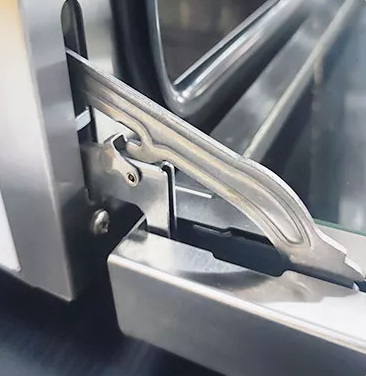
Before choosing a commercial microwave, take a good look at your kitchen space. The size of the microwave will play a significant role in how well it fits into your kitchen layout. Measuring the available space ensures the microwave won't overcrowd your work area.
Remember, microwaves come in various sizes. If space is limited, consider a more compact model or stackable options. Also, ensure there’s enough ventilation space around the microwave to prevent overheating and keep it working efficiently.
Think about how much food your kitchen needs to handle. The microwave’s wattage and capacity should align with your kitchen's output. High-volume kitchens require microwaves with higher wattage, around 2000 watts or more, to heat food quickly and efficiently.
Lighter-duty operations can go for lower-wattage models, which still get the job done but take more time. Consider your busiest hours and the microwave's ability to keep up with demand without delays.
The location of your microwave matters. Will it be placed on a countertop, or do you need it mounted? Consider ease of access for staff. If you have limited space, wall-mounted or stacked microwaves are great options.
The microwave should be positioned in a spot that allows for smooth operation. It should be easy to monitor while cooking, without blocking work areas or traffic flow in the kitchen.
Maintaining your commercial microwave is key to keeping it working efficiently. Regular care can prevent costly repairs and ensure it stays in top condition. Here are some best practices to follow:
To maintain hygiene and prolong the life of your microwave, cleaning is essential. Food debris can build up inside, leading to unpleasant odors and even affecting cooking performance. Make sure to:
Wipe the interior and exterior with a damp cloth after each use.
Clean the door seal regularly to prevent residue buildup.
Use a mild detergent and warm water for cleaning—avoid harsh chemicals.
Clean the vents and filters to ensure proper airflow and prevent overheating.
Overheating can cause uneven cooking or even damage your microwave. To avoid this:
Ensure proper ventilation around the microwave—leave at least 2 inches of space on all sides.
Never overload the microwave with too many items at once.
Regularly check the power levels and cooking times to prevent excessive strain on the unit.
Consider scheduling routine maintenance checks to catch issues before they become major problems.
By following these simple tips, your commercial microwave will remain in great shape, providing consistent performance and helping to keep your kitchen running smoothly.
One of the biggest mistakes people make is underestimating how much wattage they need. Microwaves come in different power levels, and selecting one with too little wattage can cause delays in food preparation. If the microwave doesn’t have enough power, it might take longer to cook or reheat food. This can slow down kitchen operations, especially during busy hours.
Another common mistake is failing to measure the space available for your microwave. Commercial microwaves come in various sizes, and a poor fit can cause big headaches. If the microwave is too large, it might take up precious counter space. On the other hand, a microwave that's too small might not have enough capacity for your kitchen’s needs. Always measure the space before making your choice.
When choosing a commercial microwave, energy efficiency is key. While high-powered models can cook faster, they may also consume more electricity. Choosing an energy-efficient microwave can save you a lot of money in the long run. Not only will it help lower utility bills, but it will also reduce your kitchen’s overall carbon footprint. Look for models that are energy-efficient without compromising cooking performance.
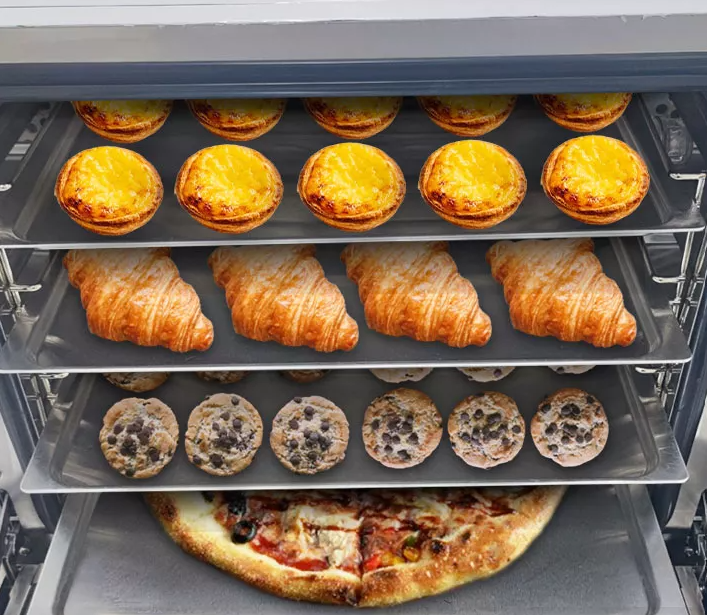
When choosing a commercial microwave, avoid underestimating wattage needs, overlooking space requirements, and ignoring energy efficiency. A microwave with insufficient wattage can slow down operations, while poor space planning leads to a poor fit. Choosing an energy-efficient model can save money and reduce energy consumption in the long run. Make sure to consider all these factors for a smarter purchase.
A: Commercial microwaves are built to withstand heavy use, making them more durable and reliable than regular models. They offer faster cooking times and more precise heating, crucial for busy kitchens. Additionally, they comply with food safety standards, ensuring safe operation in commercial foodservice environments.
A: The ideal wattage depends on your kitchen’s needs. Light-duty microwaves range from 700-1000 watts, while medium-duty models operate between 1200-2000 watts. Heavy-duty microwaves typically go from 2000-3000 watts, ideal for high-volume kitchens.
A: Choose a microwave with an interior size that accommodates your kitchen’s typical food containers. Models range from 0.3 to 1.5 cubic feet, so measure your available space and typical food pan sizes before purchasing.


